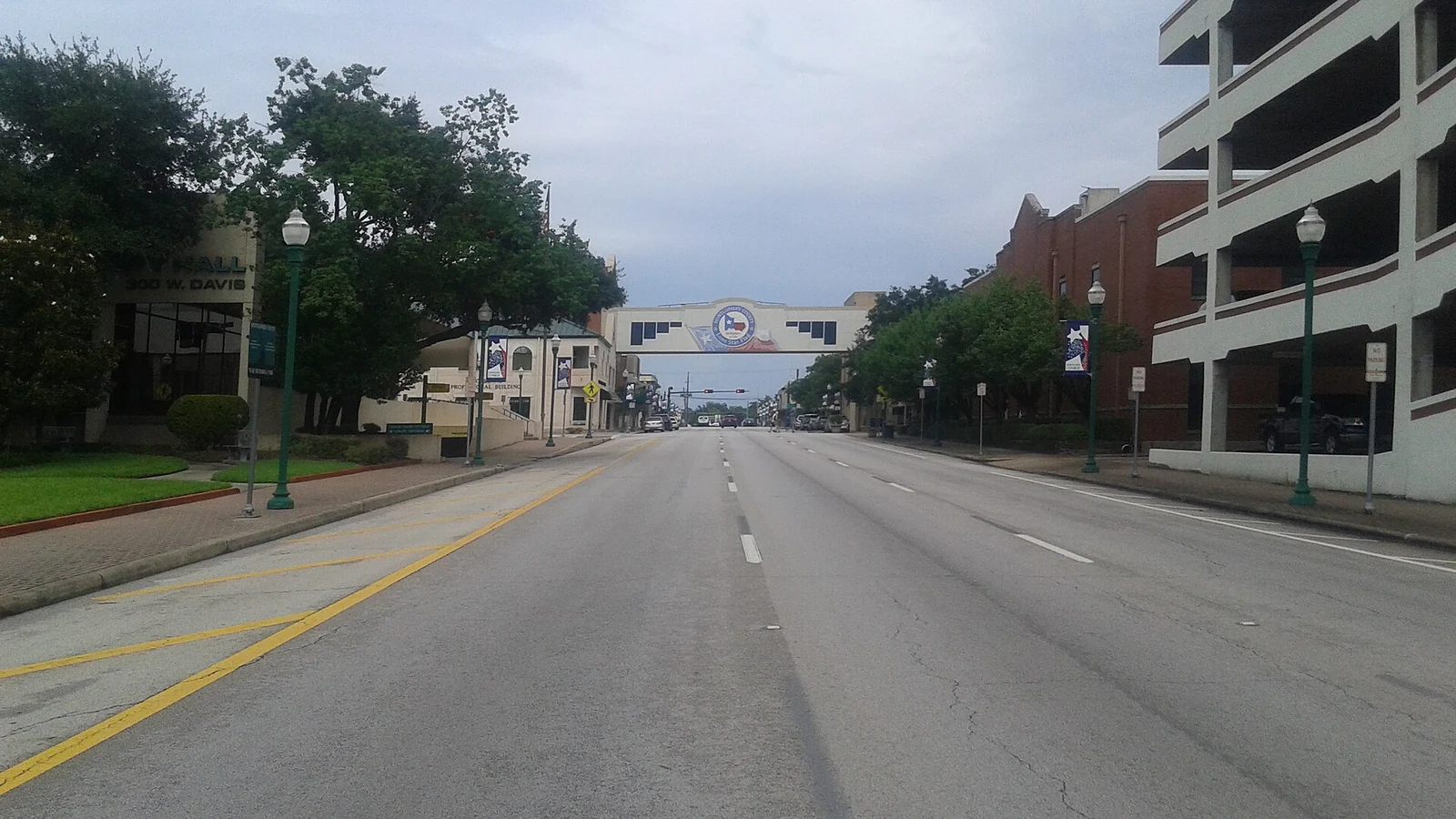
At the end of 2025, Houston had cold but calm weather for New Year's Eve parties. On New Year's Day, it warmed up quickly, and later in the week, it felt like spring.

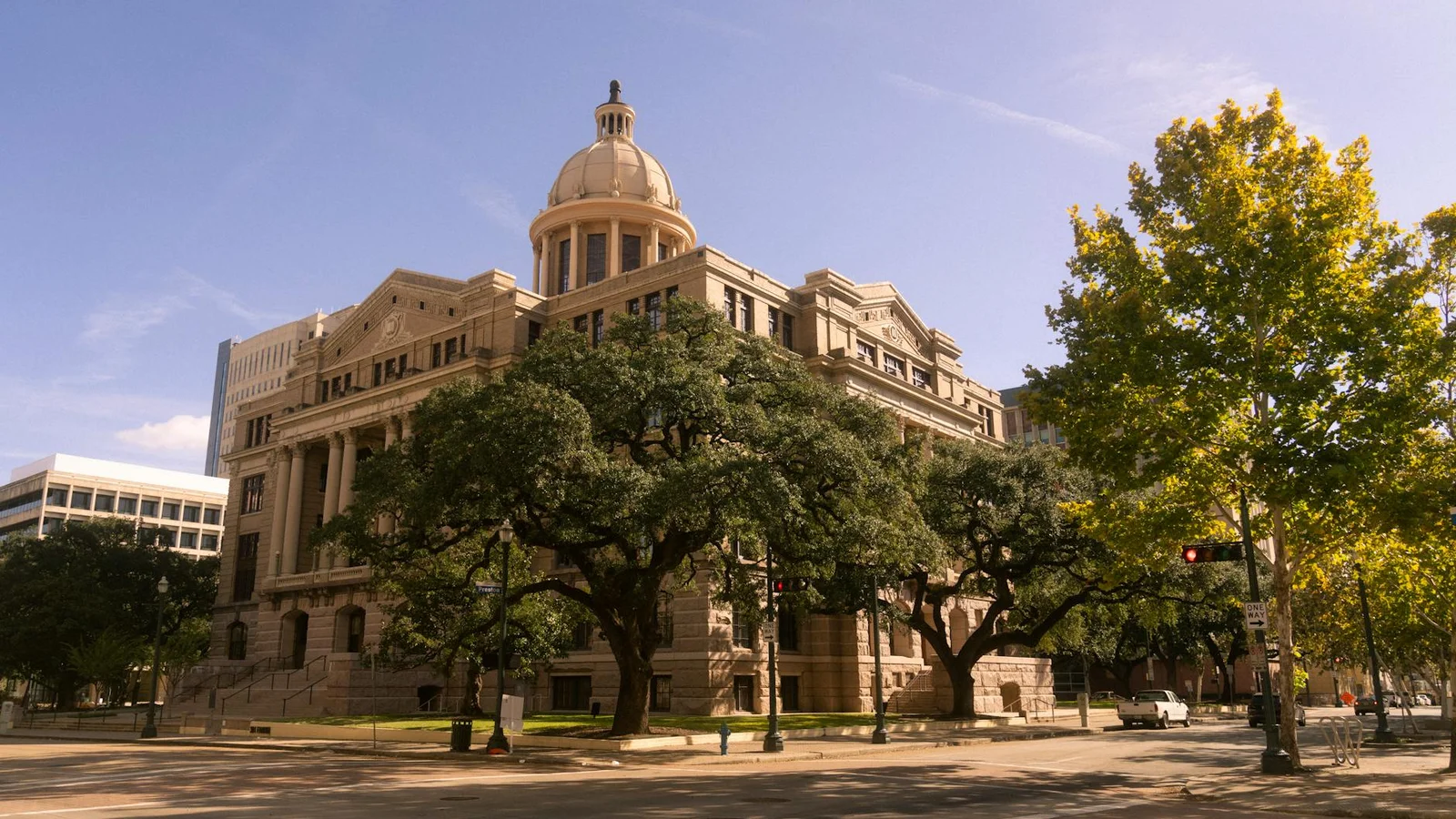
Houston ended 2025 with cool, dry weather, with near-freezing mornings giving way to bright skies and mid-60s afternoon highs, making for a peaceful New Year's Eve.
A frigid air surge early Tuesday brought one of the region's coldest mornings in weeks. By lunchtime, sunshine and dry air helped metro area temperatures rise from near freezing.
Forecasters predict continued favorable weather for evening outdoor events. Temperatures will drop steadily, but skies will remain clear with light winds. By midnight, temperatures should fall into the upper 40s with a cool breeze.
Dry air will persist overnight, lowering humidity. Despite colder temperatures, dry vegetation in grassy or open places increases wildfire risk, so officials advise prudence with pyrotechnics. Cold weather will end swiftly in 2026. Texas may see warmer weather and more moisture on New Year's Day as southerlies strengthen.
New Year's Day temperatures will reach the lower 70s, up from the lower 60s on New Year's Eve. By Friday, highs may reach the lower 80s as the workweek continues to warm.
Unseasonably warm weather may be fleeting. Temperatures should drop into the 70s by the weekend as the region returns to its early January norm.
Residents should expect a tranquil start to 2026 with mild evenings, bright days, and a quick transition from winter chill to spring warmth in a few days.