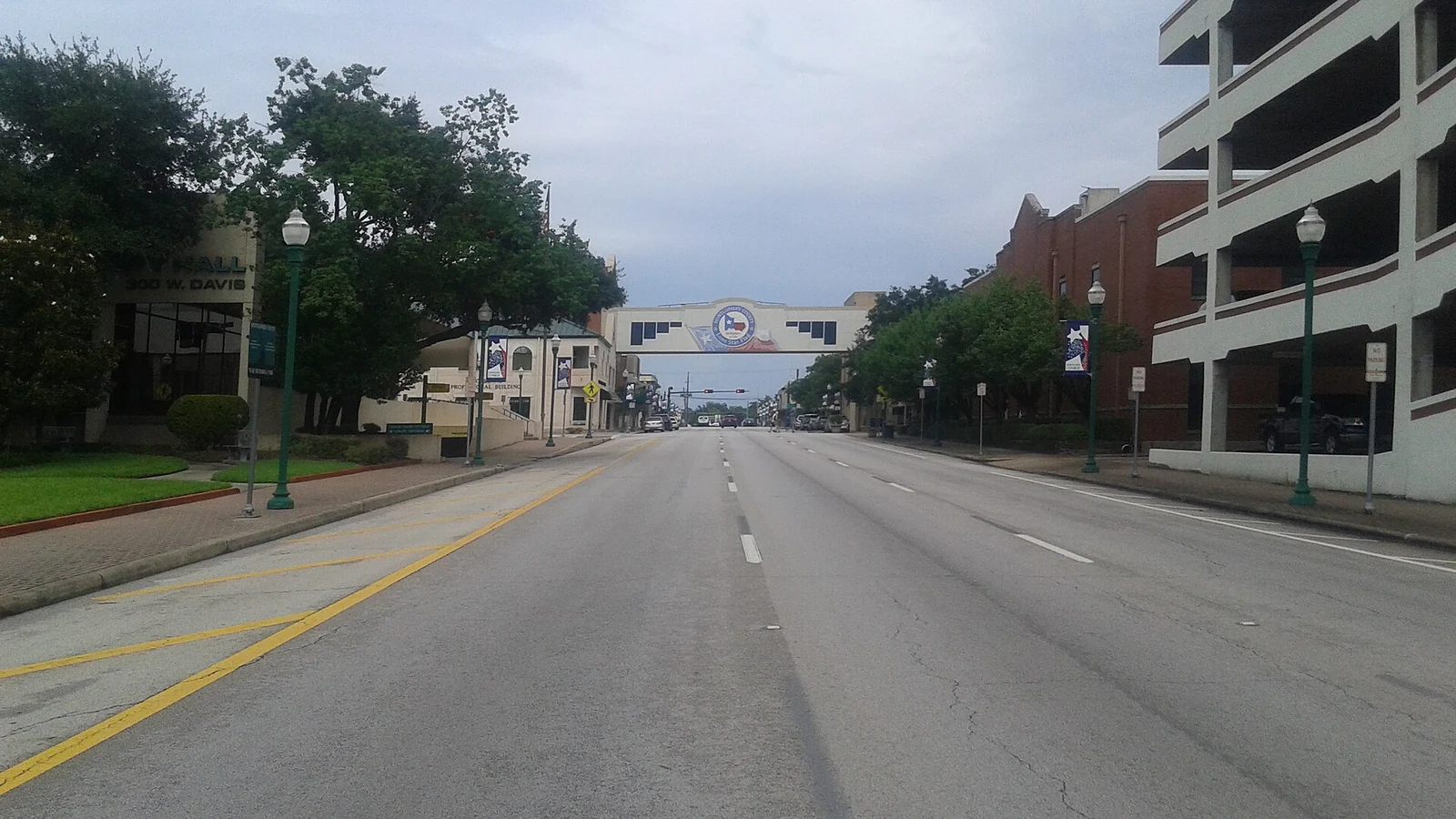
Montgomery County commissioners are exploring whether to build a new jail, expand the current facility, or pursue a private option as population growth and aging infrastructure push the system toward capacity.

On April 9, county leaders announced their intention to investigate the construction of a new jail facility, indicating the necessity of expediting the process as the county's 40-year-old jail is experiencing operational challenges and population growth.
Sheriff Wesley Doolittle informed the Commissioners Court that while short-term solutions, such as expedited transfers to the Texas Department of Criminal Justice and temporary housing in nearby counties, have alleviated crowding, they have not addressed the underlying structural issues.
Doolittle expressed, "We are facing a critical situation here."
The jail is approaching an unsustainable operating point, according to consultants from the engineering firm HDR. They cited poor sightlines that increase safety risks and ongoing mechanical and structural failures. Planner Paul Vlnar described the facility as both operationally inefficient and physically deteriorating, highlighting the constant strain of a 24/7 detention environment.
The increasing population exacerbates the issue. According to County Judge Mark Keough, the county's population could surpass one million by 2030. Doolittle estimates that approximately 2.2 inmates are incarcerated for every 1,000 residents, with around 65% of them classified as pretrial felony detainees.
Doolittle stated, "I believe that it would be negligent to fail to prepare for the present and the future."
The commissioners presented three primary alternatives. The most ambitious option, a new jail at 700 Hilbig Road, would require approximately $976.8 million and accommodate 2,352 beds, in accordance with 2040 projections. Although it would require approximately four and a half years to complete, the facility would adhere to contemporary detention standards and enhance staffing efficiency.
A second alternative would involve the addition of over 1,000 beds to the current jail, at a cost of approximately $705.3 million. Nevertheless, consultants cautioned that this approach would necessitate substantial reinvestment in a building that was already beyond its useful life, potentially requiring up to $100 million in repairs, that could take 8½ years to complete.
A third alternative, which involved the acquisition and renovation of a private detention facility, was estimated to incur a combined cost of up to $350 million. However, such an option would necessitate the duplication of services and continue to rely on aging infrastructure.
According to Amanda Carter, the county's budget officer, the county has recently expended $257,250 over the course of six months to house inmates in alternative facilities, highlighting the persistent strain on capacity.
Commissioner Robert Walker of Precinct 1 underscored the importance of long-term planning. Walker stated, "Plan for the future and construct in accordance with necessities."
Commissioner Matt Gray of Precinct 4 stated that officials should strive to develop a "shovel-ready" plan, although construction may not commence immediately.
Currently, the jail has 1,317 rated beds, which is significantly less than the 2,352 projected beds that are required. Commissioners are anticipated to continue assessing costs, timelines, and potential tax implications as they determine the appropriate course of action.